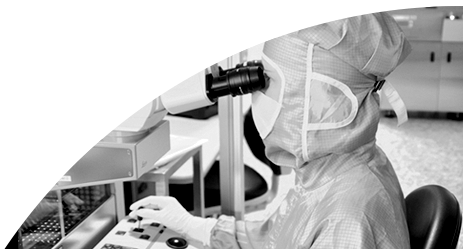


It’s helpful to start by clarifying the definitions of terms that are widely used but often confused. Simply put, outsourcing is the provision of specialist skills by a specialist third party service provider who focuses solely in this area. Insourcing is the provision of those services by an in-house team. Offshoring relates to the provision of those services by an outsourcing provider based in a different country (or continent) to that of the purchaser or user.
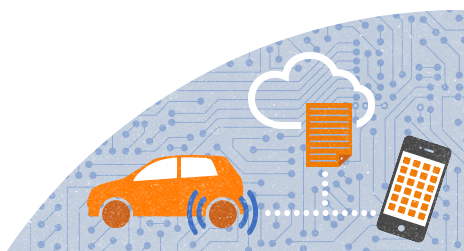
Every business can benefit from the Internet of Things – just start small and choose wisely when deciding which operations you want to target Does your workplace have smart lighting that only comes on when it detects motion? Does your heating and air conditioning work in a similar way? Or maybe you have a refrigerator in the kitchen that orders food direct from the supermarket when supplies run low.
Why we should all be concerned by falling productivity rates and how businesses should respond Improvements in productivity have driven global growth for decades. Technological advances, new ways of working, and improvements to transport and infrastructure, have all made businesses more efficient and more profitable. At the same time, rising birth rates meant that there were more young people to do the work and relatively fewer old people to draw down pensions. Worldwide, that resulted in people being better off; over the past half-century global incomes almost tripled and millions have been lifted out of poverty. It seemed as if it could go on forever.
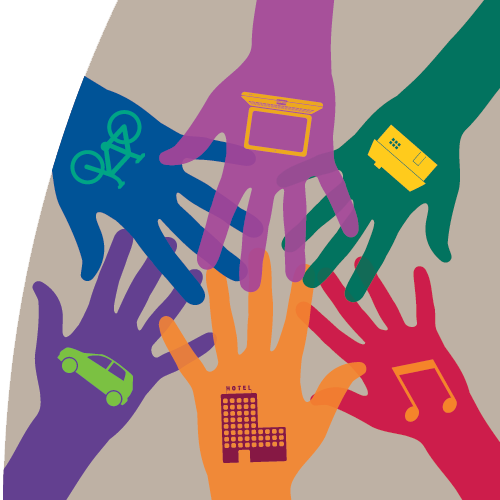
To succeed in the B2B sharing economy, businesses need to understand what drives customers who are willing to use crowdsourced and automated services LiquidSpace specialises in renting out spare office space in existing businesses by the hour, the month or longer. Users can hire space via the company’s app and be sitting in a business’s boardroom within minutes. They can add their own office space to the inventory too.
Almost 20 years since the dot-com era, the Nasdaq is reaching levels last seen during the previous boom. At the same time, we are witnessing business model changes driven by architectural transformations which could disrupt the global technology and media industry. Tomorrow, we can expect new technologies enabling the internet of things to create opportunities for future fast-growth companies. Some will become industry leaders – the Xiaomis and Ubers of tomorrow. Many more will fail – either because their offering wasn’t differentiated enough, or because their management made the wrong decisions
The hotel industry is going through a period of unprecedented, irreversible change and will look very different in 2020 than it does today.
Poised to be every bit as disruptive as the internet revolution, is your business ready for the rise of the sharing economy?
Technology is at the cutting edge of efforts to make growth more sustainable. As the global population swells and more people move into higher consumption classes, the demand for food, for energy, for water, will all increase. But the resources our planet offers will not. Clearly the status quo is not sustainable.