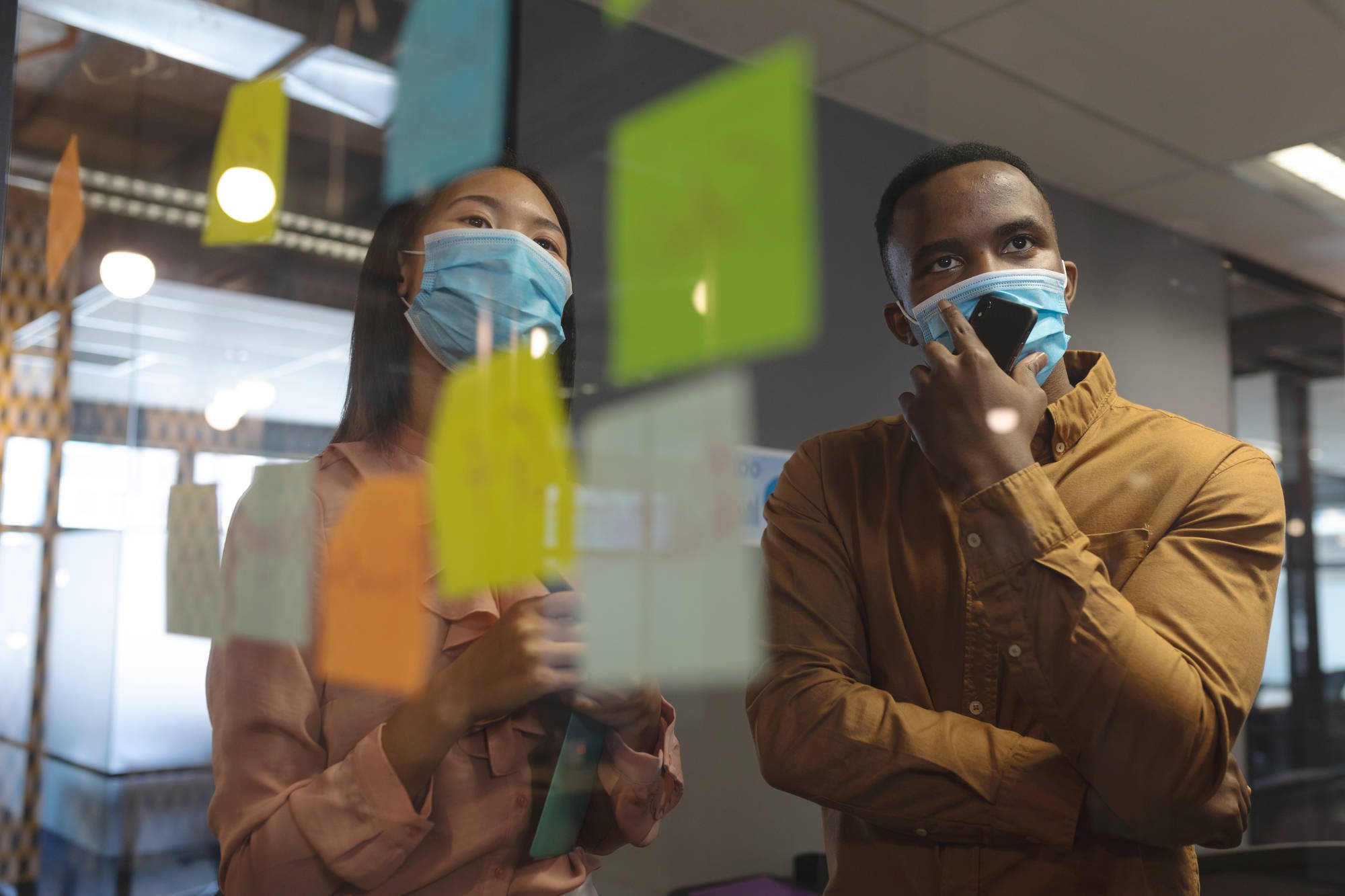


At this point, most companies are now aware of how the pandemic changed the world of work from 2020 and beyond. One of the main adjustments companies made is implementing work-from-home arrangements and business leaders scrambled to adapt to the needs of their workforce.
With the rapidly changing technology and the constantly changing needs of today’s learners, the traditional face-to-face approach is swiftly losing its significance and becoming less feasible in the new normal.
Several sectors of the Philippine economy are still grappling with the effects of the coronavirus disease 2019 (Covid-19) pandemic. While e-commerce providers continue to gain ground during the new normal because of the nature of their services, other industries like travel and retail are still addressing challenges following the onset of the global health contagion.
When the term “family business” pops in a conversation, we tend to conjure an image of a small- or mid-sized business that has been handed down from one generation to another, much like an inheritance. Although some of these family-owned firms fit this description, such notion is not broad enough to encompass the major role of family businesses in boosting growth in the global economy.
The disruptions caused by the COVID-19 pandemic on daily business operations are undeniable. Due to the guidelines placed by the government to quell the spread of the virus, businesses implemented work-from-home arrangements and virtual meetings were favored over face-to-face collaborations with colleagues and clients.
AS the coronavirus disease 2019 (Covid-19) pandemic continues to push both the public and private sectors to embrace digital transformation, public institutions as well as companies are stepping up their game in innovative ways. These include investing in efficient network systems, cybersecurity programs, remote devices and automated health systems all of which aim to improve people experience.
THE world is no stranger to disease outbreaks. Governments have borne the brunt of stemming the spread of communicable diseases throughout the years. Some of the most disastrous outbreaks that have obliterated huge portions of the world’s population include the Bubonic Plague, the Asian Flu and the Spanish Flu, the last one claiming hundreds of thousands of lives. As the Philippine government continues to wage war against an invisible enemy and to quell the spread of the Covid-19 virus through lockdowns and travel restrictions, the economic impact of the pandemic has left many businesses on the brink of shutting down operations.
BEFORE the pandemic unexpectedly hit, holidays meant a time when people went on staycations and resorts were filled with families looking to have a good time, sipping drinks by the pool or wading at the shore of a beachfront. Both foreign and domestic hospitality industries were booming since virtually everyone had easy access to accommodation discounts and promos.