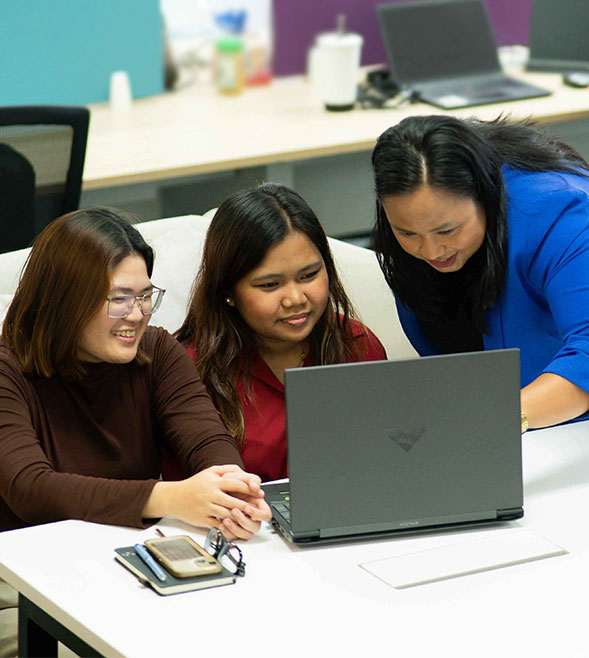
The real reason your digital transformation stalled isn't technology
Line of SightThe pattern is familiar to anyone who has led, sponsored, or lived through a digital transformation initiative. A new enterprise system is selected.
Read our latest issue of Line Of Sight. Every other Mondays on Mindanao Times.

The pattern is familiar to anyone who has led, sponsored, or lived through a digital transformation initiative. A new enterprise system is selected.
True nation-building, much like bayanihan, is not achieved overnight. And the Philippines path towards this lies in progress that evolves gradually and purposefully.
For Mindanao businesses, conflict in the Middle East is not a distant headline. It shows up as volatile fuel and logistics costs, delayed shipments of parts and raw materials, and heightened fraud risks as criminals exploit uncertainty.
Every March, I fall into a familiar routine—one that feels almost comforting. Before the rest of the office starts buzzing, I’m already at my desk with a warm cup of coffee, staring at the payroll calendar like it’s an old friend I know a little too well.
After a bruising 2025, many executives are entering 2026 with a familiar mix of caution and hope. Last year tested leadership teams on multiple fronts: domestic disruptions, corruption-related confidence concerns, weaker investment momentum, and renewed external pressure from global trade frictions, including the lingering threat of US tariffs.
In an increasingly complex and competitive workplace, organisations are recognising that their most sustainable source of value lies not in technology or systems alone, but in their people. Human capital—the collective knowledge, skills, experiences, and values of the workforce—has evolved from a functional resource into a strategic asset that directly shapes organisational performance, adaptability, and long-term resilience.